
Wren Corvallis has been neglecting his duties as Caladrius, chief medicinal officer. Three months prior, in the cold city of Nidus Wren calls home, a race he had been taught to hate has found him, known as Udo. But only one, small in stature and hair all over. A race Wren's kind, the Sapiens, thought to be dead centuries ago. A race whose history is intertwined with the Sapiens, though Sapiens only admit it in the same breadth as their escape and triumph. The Udo enslaved. But now, Sapiens are free.
The Keige that rests in Wren’s hand is now guiding him. This device that has powered their city since its founding has developed a form of communication with its creators through memory. Wren’s memory now reminds him that he could help this Udo, calling himself Pip, if only he would leave behind his comfort and his friends, to seek this ancient city the Udo call home.
But can Wren’s memories always be trusted, even if they are his own?
Those Roram Anhinga calls family are those he loves deeply. His childhood friends, Wren and Clea, bring him a comfort akin to his Keige. When he senses Wren’s inner conflict, Roram stops by Wren’s study to find it abandoned. He and Clea are forced to act.
How far must Roram go to protect the name Corvallis?
On the other side of the world, the Udo are staring down the reality of extinction. When Wren discovers this, he questions the ulterior motive of Pip, his Keige, and his reality. The beings that he can see aren’t the only ones who can manipulate.
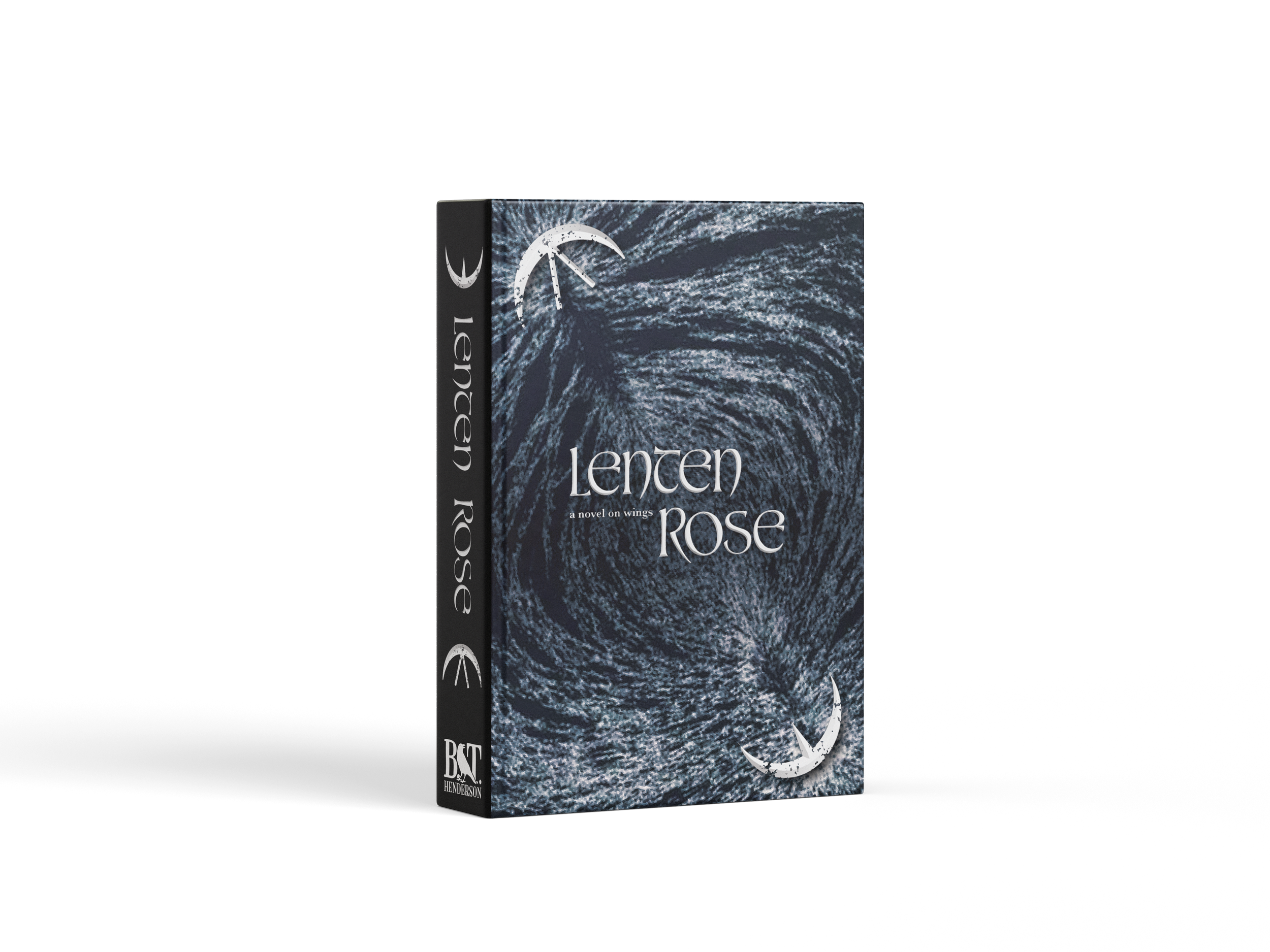
Lenten Rose

Sapien
They call Nidus home, creating and wielding the precious Keige, a key-like object that not only keeps their city running, but also binds to each and every Sapien across their whole being of body, mind, and soul..
Nephel
As fictional as a drawing or as real as a bad dream, the Nephel is long thought to be an ancient, mythical race of behemoths that prefer to live like animals rather than a true people with rules and ideals.

Udo
The race responsible for enslaving the Sapiens. By the grace of the Aves Sapiens broke free from their bondage to create a new society, one free of such antiquated ideas.

They won’t remember me. If they do, it is only because I am their villain.
Editing
Life as a writer never stops, and often streams into various, related avenues. Below are works that I have acted as editor in any capacity, whether developmental, copyediting, line editing, or some form of them all.
No Matter How Thin the Pancake: Finding Truth Where Worldviews Meet
In a culture divided by suspicion, certainty, and competing visions of truth, The Whole-Pancake Life offers a wiser way forward.Drawing from the simple saying, “No matter how thin the pancake, it always has two sides,” this book invites readers to recover the humility needed to see beyond their own angle of vision. Through a thoughtful exploration of Traditional, Modern, Postmodern, and Integrative worldviews, it shows how faith, reason, perspective, and moral conviction can be brought into honest conversation rather than forced into opposition.The Whole-Pancake Life argues that truth is whole even when our perspectives are partial. Faith need not fear reason. Reason need not dismiss faith. Conviction need not become cruelty, and humility need not collapse into relativism. With clarity and compassion, the book traces the long tension between worldview differences and offers an Integrative path toward civil discourse, deeper understanding, and a more truthful way of living.Written for thoughtful readers, faith communities, discussion groups, educators, and anyone who is weary of polarization, this book is both an intellectual journey and a practical invitation. It calls readers to listen more deeply, think more honestly, speak more gently, and live with the courage to turn the pancake before deciding they have seen the whole.For readers seeking wisdom in a fractured age, The Whole-Pancake Life is a compelling call to pursue truth with humility, conviction, and grace.